ANTI-WRINKLE - Botulinum Toxin
As we age, our skin loses elasticity and starts to develop wrinkles and fine lines, which can be a source of concern for many people. Anti-wrinkle injections, also known as Botox injections, have become a popular cosmetic treatment for reducing the appearance of these signs of aging.
There are two groups of facial wrinkles, or lines: The dynamic lines, which are seen only when the muscles of the face move, and the static lines, which are seen even when the face isn’t moving. Wrinkle relaxing treatments are used to treat the dynamic lines, and treatment aims to eliminate as well as help in the prevention of further such lines.
What are Anti-Wrinkle (botox) Treatments?
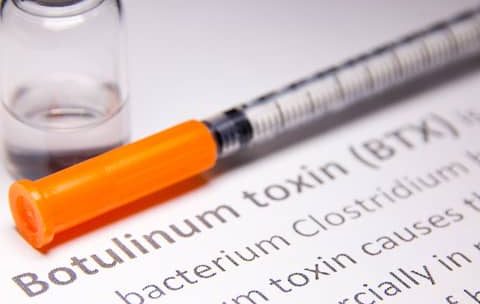
Botulinum toxin type A is a purified substance that's derived from bacteria. Injections of botulinum toxin block the nerve signals to the muscle in which it was injected. Without a signal, the muscle is not able to contract.
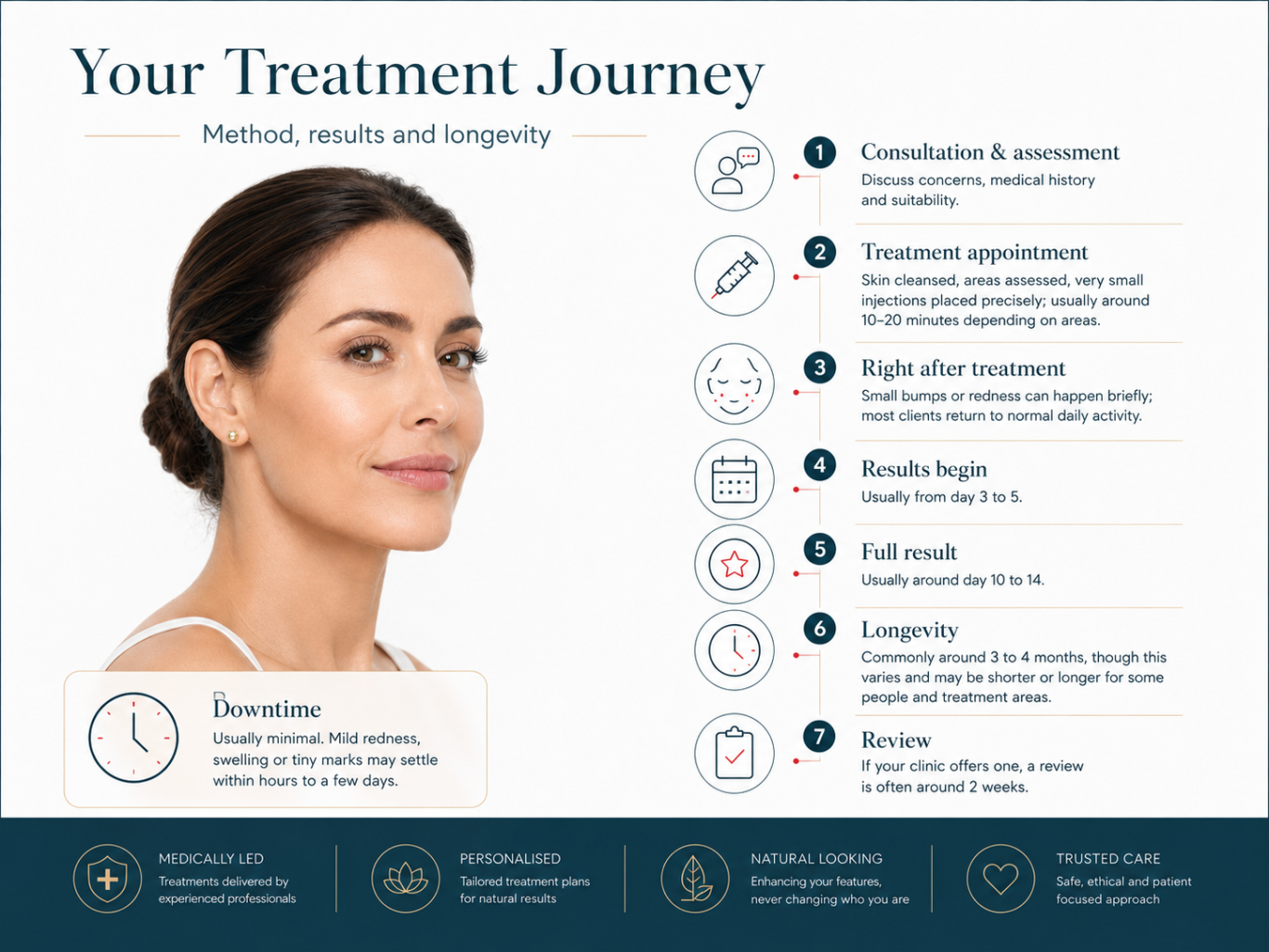
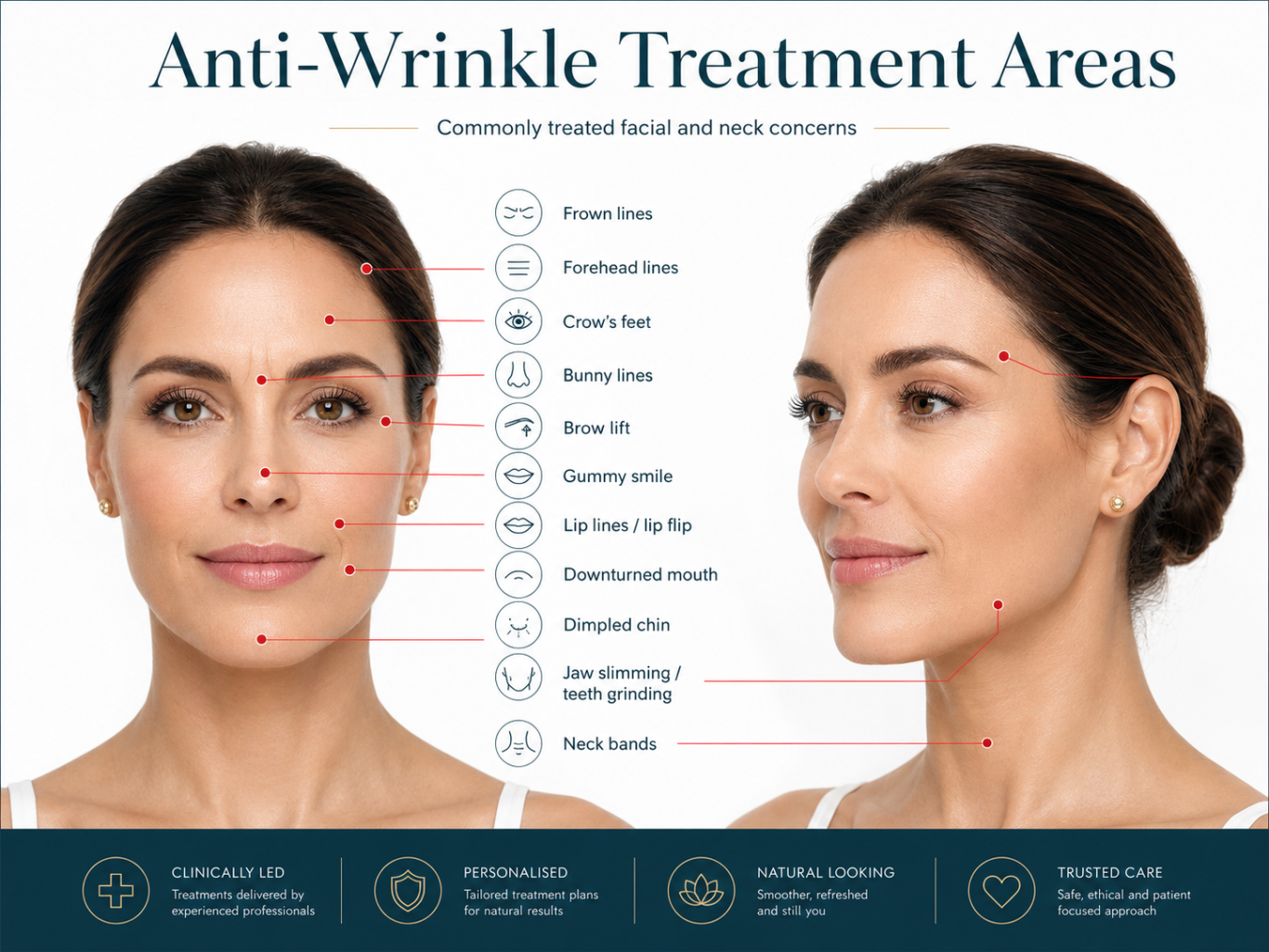
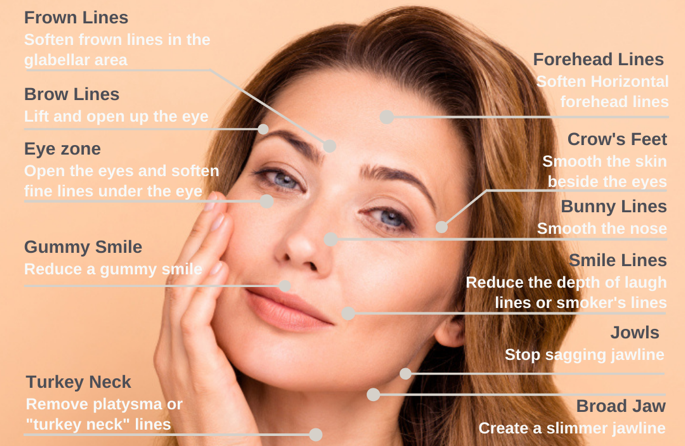
The injections are specifically placed in the face in order to target the muscles that cause wrinkles. Its effects are temporary, hence the need for repeat treatments when its effects wear off. It does not work immediately, and therefore you will not see the effects straight away. It can take between 3-14 days for you to see the full effects of the product working and can last anywhere between 3-6 months. The most commonly treated areas are frown lines, forehead creases, crow's feet near the eyes. Several other areas can be treated such as the thick bands in the neck, jaw muscles, lip lines, gummy smiles, nasal bunny lines and dimpled chin etc.
THE FROWN
Frown lines are the vertical creases that appear between the eyebrows, generating a tired or angry look. This is a very effective area on which to use botox. An experienced practitioner can subtly smooth these frown lines, resulting in a rejuvenated and more relaxed appearance.
Area:Between the eyebrows, sometimes called the glabella or “11 lines.”
What it does:
- Relaxes the muscles that pull the brows inward and downward.
- Softens vertical frown lines.
- Helps the face look less angry, tense or worried.
- May help prevent existing lines becoming deeper.
Where can Botox be used?
FOREHEAD LINES
Forehead lines, also known as forehead wrinkles or ‘surprise lines,’ become more apparent as we age. Excessive lines on your forehead can give the face and skin an aged appearance. Forehead lines are mostly due to genetic ageing but sun damage or smoking can also result in the formation of creases. Anti-ageing injectables can lessen the effect of forehead wrinkles but may not remove the lines completely if they are deep. Horizontal forehead lines
Area: Across the forehead.
What it does:
- Reduces the strength of the forehead muscle responsible for raising the eyebrows.
- Softens horizontal lines when raising the brows.
- Can create a smoother and more rested-looking forehead.
Forehead treatment must be carefully balanced because this muscle also supports the eyebrows. It is commonly treated alongside the frown area to reduce the likelihood of heavy or lowered brows.
THE CHIN
As we get older, the muscles in the chin, known as the mentalis muscles, become overactive – meaning they flex more often than they should, creating a dimpled, puckered appearance. Botox chin dimpling can be used to relax these muscles, thereby smoothing and reducing the overall dimpled effect.
CHIN DIMPLING
Area: The mentalis muscle in the chin.
What it does:
- Smooths an “orange-peel” or cobblestone chin.
- Reduces chin puckering.
- Can improve the appearance of a deep horizontal chin crease caused by muscle activity.
- May help a strained chin look more relaxed.
CHIN PROJECTION or “pebble chin” balancing
Area: Mentalis muscle.
What it does:
- Reduces excessive chin contraction.
- Allows the chin to sit in a more relaxed position.
- Can improve the appearance of a chin that bunches upward when the lips close.
It does not create genuine structural projection; filler or surgery is required for significant shape changes
THE EYES
CROW'S FEET
The appearance of fine lines, or ‘crow’s feet’ at the outer corners of the eyes, and their presence even when you’re not smiling, is often associated with ageing. However, botox is very effective in reducing their appearance. It’s therefore one of the most popular areas for the treatment.
Area: Lines spreading from the outer corners of the eyes.
What it does:
- Relaxes the outer portion of the circular eye muscle.
- Softens lines produced when smiling or squinting.
- Can make the eye area appear smoother and more open.
Crow’s feet are another commonly licensed cosmetic indication.
UNDER EYE - “jelly roll”
Area: The small muscular bulge immediately beneath the lower eyelashes when smiling.
What it does:
- Softens the raised roll beneath the eye.
- Can make the lower eye appear smoother when smiling.
This is a specialist area. Excessive relaxation can affect lower-eyelid support, smiling and tear drainage, so not everyone is suitable.
THE BROWS
CHEMICAL BROW LIFT
The brow is well supported and its position above the eye remains high on younger faces. However, the effects of ageing can cause the brow to drop, giving the eyelid a ‘hooded’ appearance. This can create horizontal folds in the surrounding skin. Botulinum Toxin Injections can be used very effectively to counteract this effect, raising and defining the eyebrows.
Area: Muscles around the outer eyebrow.
What it does:
- Relaxes selected muscles that pull the brow downward.
- Allows the forehead muscle to lift the outer brow slightly.
- Can create a more open eye area and a subtle eyebrow arch.
- May improve mild brow heaviness.
This produces a subtle lift, not the same result as a surgical brow lift.
FULL BROW LIFT
Area: Carefully selected points around both the inner and outer brow.
What it does:
- Reduces downward pull around the eyebrows.
- Can gently elevate and reshape the brows.
- May make the eyes look more open.
Suitability depends heavily on forehead strength, brow position and eyelid anatomy.
BROW LIFT WITH FROWN LIINES
Area: Between the eyebrows and around the outer brows.
What it does:
- Softens frown lines.
- Reduces the downward pull of the frowning muscles.
- Supports a lighter, more open brow position.
- Helps create a less tired or stern expression.
THE NECK
NEFERTITI NECK LIFT
Area: Platysma along the lower jawline and upper neck.
What it does:
- Reduces the downward pull of the neck muscle on the lower face.
- Can create a slightly cleaner-looking jawline.
- May soften early jowling caused partly by muscular pull.
- Can make the neck and lower face appear more relaxed.
It produces a modest improvement and cannot tighten significantly loose skin or remove fat.
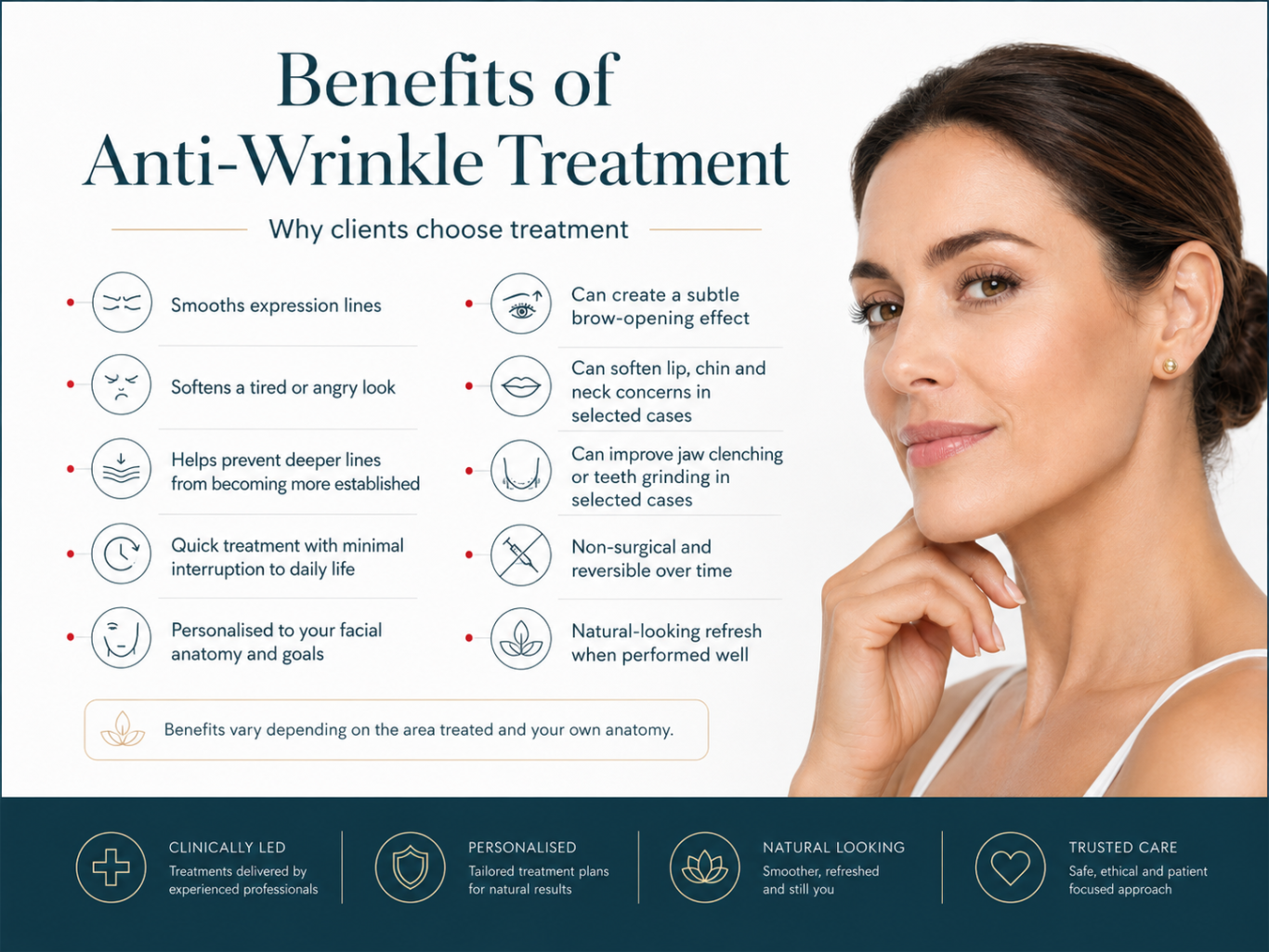
Benefits Snapshot
Contraindications
- Safer option for anti-aging than a surgical treatment
- Future line formation can be lessened or prevented
- Treatment can be customised for individual needs
- Visible signs of aging can be reduced
- A non-surgical brow lift can be created
- Smokers lines can be softened and the lip can be prevented from curling under when you smile creating a lip flip
- Downturned corners of the mouth can be lifted
- Chin dimples or projections can be softened
- Gummy smiles can be lowered
- Nose wrinkles can be decreased, the tip of the nose lifted or nostril flaring reduced
- Neck lines can be reduced and the vertical bands softened, lifting the neck
- Can shrink the skins pore size, reduce sebum production and acne
- Double chins and jowls can be lifted
- Migraines and headaches can be lessened
- Jawline can be slimmed and jaw clenching can be decreased
You will not be able to have this treatment if you have any of the following:
- Infection overlying the injection site.
- Pregnant or breastfeeding
- People on blood thinners such as warfarin
- People with hypersensitivity to lidocaine or a history of severe allergy or anaphylactic shock.
- People with neurological diseases such as bells palsy, motor neurone disease (amyotrophic lateral sclerosis) and myasthenia gravis etc.
Botox has revolutionised the field of facial aesthetics. Botox has seen a surge in popularity over the past few years. It offers a non-surgical solution to reduce the signs of aging and improve skin appearance. The treatment is quick, convenient and has minimal downtime.
Important expectations
Botulinum toxin works best on dynamic lines caused by repeated muscular movement. It cannot:
- Replace lost volume.
- Remove excess skin.
- Permanently change bone structure.
- Completely erase every deep line.
- Produce the same lifting result as surgery.
Remember, whether you’re considering Botox for the first time or are a regular user, it’s important to understand what it is and how it works. This will enable you to make an informed decision about your skincare routine and ensure you achieve the best possible results.
JAW AND LOWER FACE
Prolonged episodes of teeth grinding and jaw clenching – known as bruxism – can result in: worn teeth, headaches and earaches. Bruxism occurs subconsciously, often during sleep. Botox injected into the jaw area can relax the muscles and effectively treat the condition and because over time botox can cause muscle atrophy it can also be used to slim the jaw.
JAWLINE SLIMMING
Area: The large chewing muscles at the angles of the jaw.
What it does:
- Reduces excessive masseter activity.
- Can gradually slim a wide or square lower face when the width is caused by muscle rather than bone.
- May soften a very strong jawline.
- Can reduce clenching-related muscle tension in suitable patients.
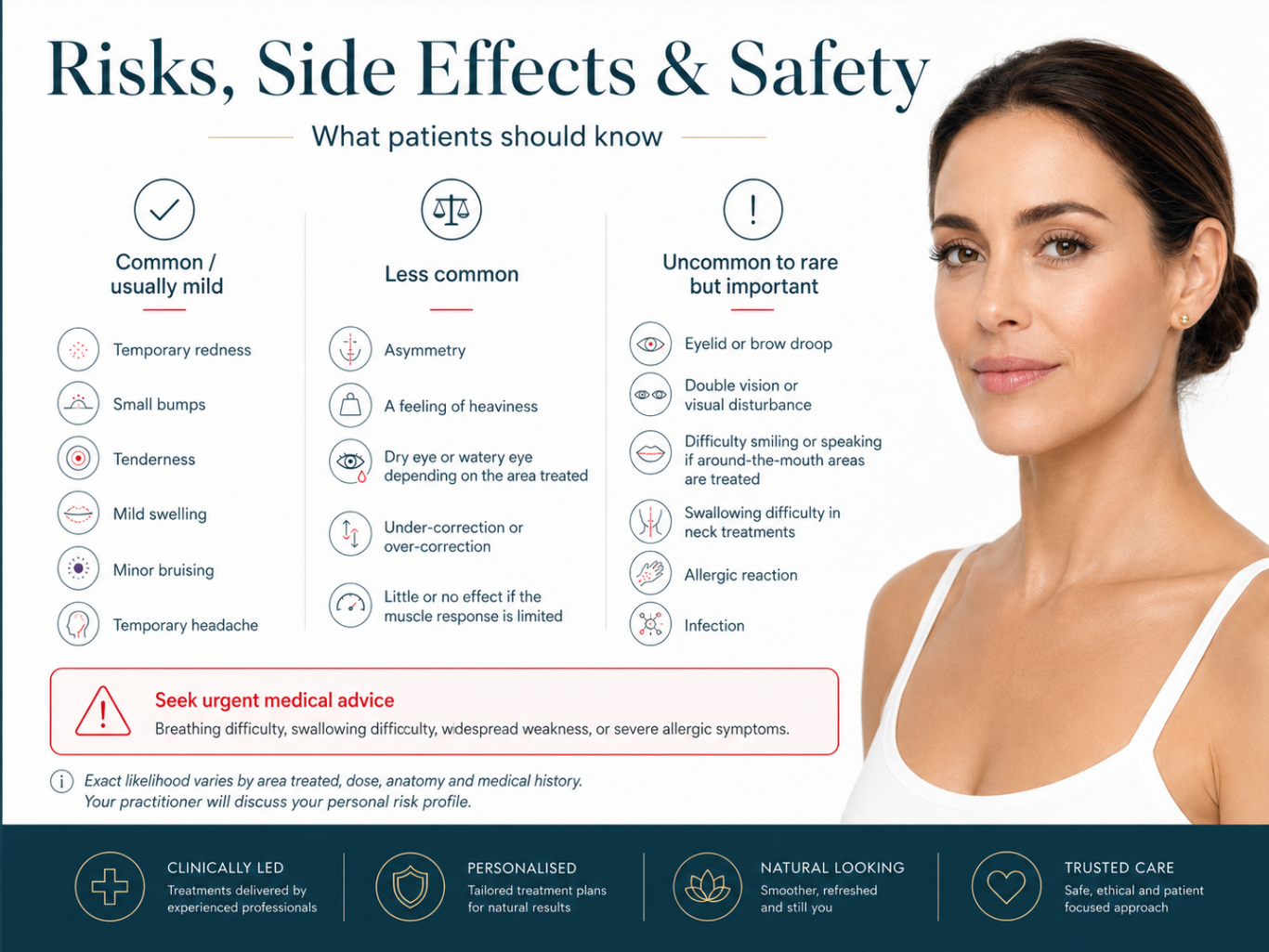
Facial slimming develops gradually as the treated muscle reduces in bulk. Treatment can occasionally affect chewing strength or smile symmetry.
LOWER FACE LIFT
Area: Usually the platysma junctions, following assessment of the complete lower face.
What it does:
- Creates a softer transition from the cheek to the jaw.
- Can produce a more tapered or V-shaped lower face.
- Helps lift and reduce 'jowling'
MIGRAINE TREATMENT
Area: The masseter muscles
What it does:
- Reduces the force of clenching.
- May ease jaw-muscle tenderness and fatigue.
- Can reduce tension-related headaches in some patients.
- May protect against some consequences of grinding, although it does not replace dental assessment or a protective night guard
SUMMARY
MOUTH AND LIP TREATMENTS
GUMMY SMILE
When injected, it can relax the muscles in the upper lip and limit the rise of the lip when smiling, so the gums will remain covered.
Area: Muscles that elevate the upper lip.
What it does:
- Limits how high the upper lip rises when smiling.
- Reduces the amount of gum displayed.
- Creates a more balanced relationship between the lips, teeth and gums.
The underlying cause of the gummy smile must be assessed because it may result from the lip muscles, jaw structure, gum position or tooth proportions.
LIP FLIP
Area: The upper border of the lip, sometimes with the lower lip treated as well.
What it does:
- Relaxes part of the muscle surrounding the mouth.
- Allows the lip edge to roll slightly outward.
- Can make more of the pink upper lip visible.
- May reduce the appearance of the upper lip curling inward when smiling.
It does not add volume like dermal filler. It can temporarily affect drinking from straws, whistling, pronunciation or lip control.
UPPER LIP LINES
Area: Vertical lines above the upper lip, often called lipstick or smoker’s lines.
What it does:
- Reduces repetitive pursing of the lips.
- Softens dynamic vertical lip lines.
- Can help lipstick sit more smoothly.
It works best for lines caused by movement. Deep lines present at rest may require skin treatments or carefully selected filler as well.
DOWNTURNED MOUTH - Sad smile
Area: The depressor anguli oris muscles at the corners of the mouth.
What it does:
- Reduces the downward pull at the mouth corners.
- Can help the mouth rest in a more neutral position.
- May create a less sad, stern or unhappy-looking expression.
It does not directly fill marionette lines or replace lost facial volume.
NOSE TREATMENTS
BUNNY LINES
Area: Diagonal wrinkles on either side of the upper nose.
What it does:
- Relaxes the muscles that scrunch the nose.
- Softens lines that appear when smiling, laughing or wrinkling the nose.
- Can complement treatment of the frown area.
DROOPING NASAL TIP
Area: The muscle beneath the nose that can pull the nasal tip downward when smiling.
What it does:
- Reduces downward movement of the nose tip.
- May create a subtle lifted appearance when smiling.
- Can make the nose appear slightly shorter or less hooked during expression.
It does not physically reshape the nasal structure like filler or surgery.
NASAL FLARE
Area: Muscles beside the nostrils.
What it does:
- Reduces excessive widening of the nostrils.
- Softens nostril flare during smiling, speaking or deep breathing.
Treatment must be conservative because these muscles contribute to normal nasal movement.